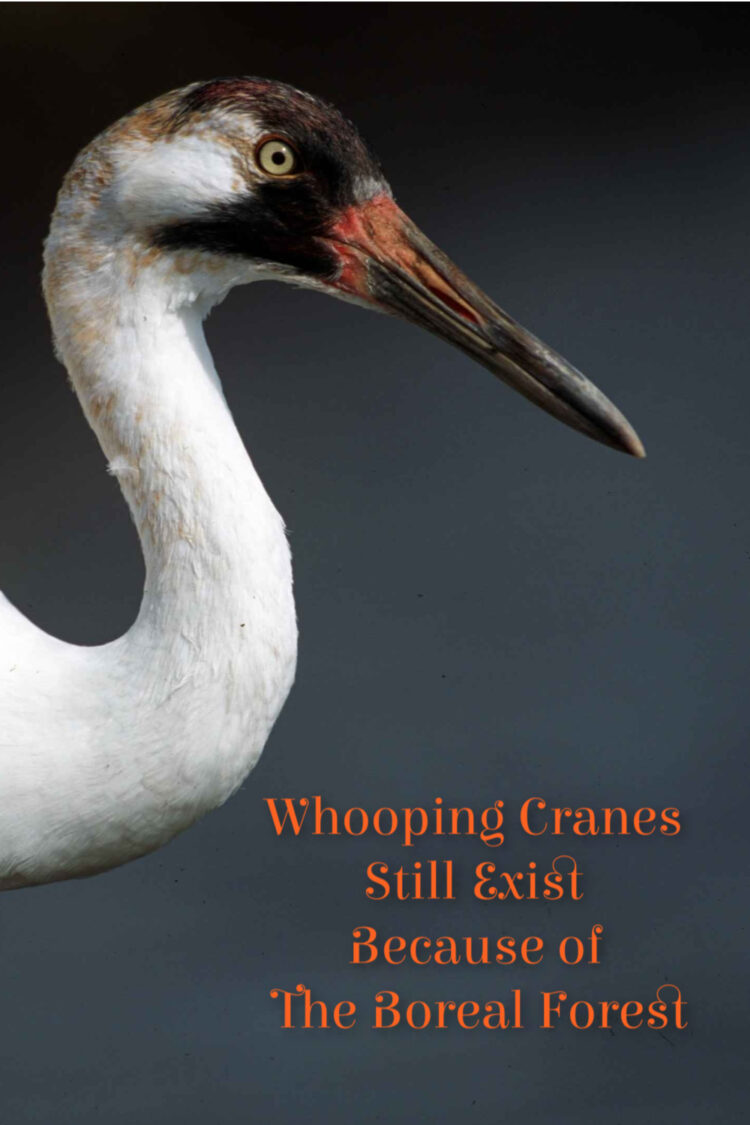
In 1938, there were only 14 or 15 whooping cranes* left in the world. By 2017, there were 438. The cranes escaped extinction partly because their nesting grounds are protected by Wood Buffalo National Park, located in Canada’s boreal forest.
I collect information the way crows collect shiny things! Historically, this impulse to collect the weird and wonderful found expression in cabinets of curiosities: precursors of modern museums assembled by aristocrats, explorers, and early scientists. While I acknowledge the devastating context of colonialism* in which these cabinets were assembled, I share the deep sense of awe and wonder that motivated their creators. And so:
Welcome to my own cabinet of curiosities—facts, quotes, and oddments about pretty much everything!
——
While I do love Jurassic Park (the first one – seriously, movie scientists, learn from your mistakes already), I’m regularly infuriated by real-life de-extinction programs. First, for a lot of complex science reasons I won’t go into, it’s not actually possible to bring an extinct species back to life. Not as the creature really was – you’ll always end up with a sort of hybrid or approximation.
Second, de-extinction is a giant waste of extremely limited resources. Evolutionary biologist John Wiens explains:
There is clearly a terrible urgency to saving threatened species and habitats. As far as I can see, there is little urgency for bringing back extinct ones. Why invest millions of dollars in bringing a handful of species back from the dead, when there are millions still waiting to be discovered, described, and protected?**
There are lots of ways to contribute to wildlife conservation projects this Earth Day. If financial support isn’t an option for you, consider participating in a citizen science project. Canadian citizen science projects are indexed at this link.
——
* For more info on historical cabinets of curiosities, check out these articles:
Smithsonian Mag: How Cabinets of Curiosities Laid the Foundation for Modern Museums
Sotheby’s Institute of Art: Cabinets of Curiosities and the Origin of Collecting
Art & Object: The Cabinet of Curiosities & Colonialism
https://www.artandobject.com/news/cabinet-curiosities-colonialism
** Quoted in Brisman and South (2020) A criminology of extinction: biodiversity, extreme consumption and the vanity of species resurrection. European Journal of Criminology 17(6): 918-935